 By: William Brown
People usually think choosing a pendant is all about going bigger. Bigger diamond, bigger sparkle, bigger reaction. But once you actually start looking at solitaire pendant necklaces properly, you realise carat weight is only one part of the story. The shape changes things. The setting changes things. Even your height and neckline sort of matter more than expected.
And honestly, the “perfect” size? It’s different for everyone.
What is a Solitaire Pendant Necklace?
A solitaire pendant necklace is exactly what it sounds like. One central stone, usually a diamond, suspended from a chain. No clusters. No heavy detailing. Just one focal point doing all the work quietly.That simplicity is probably why people never stop buying them.
A Diamond Solitaire Pendant Necklace can feel minimal one day and luxurious the next depending on how it’s styled. Worn alone, it looks clean and understated. Layer it with chains or textured jewellery and suddenly it feels fashion-forward without trying too hard.
Most people lean towards these styles:
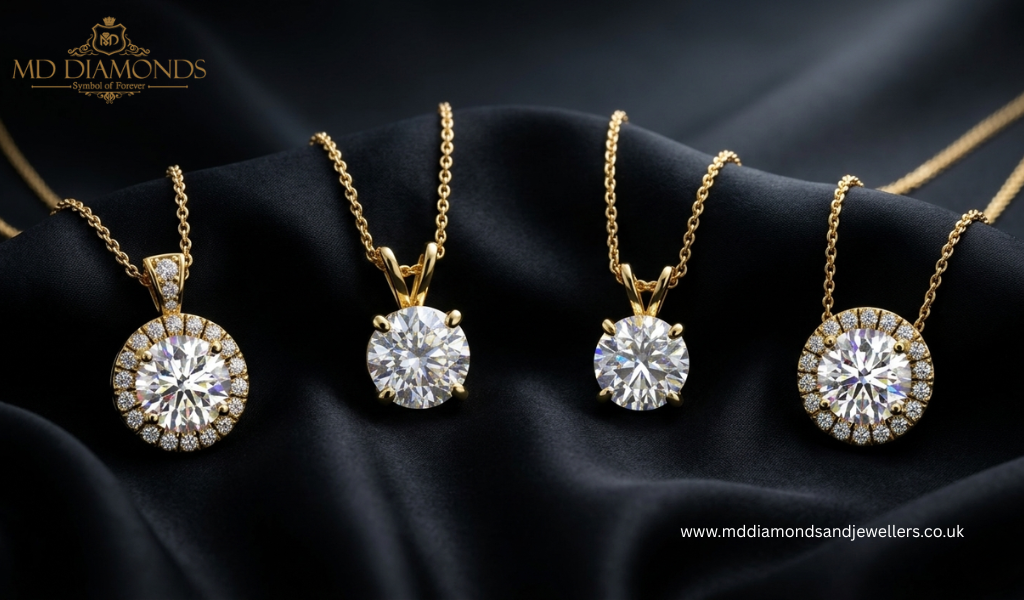
• Round brilliant solitaire pendants for maximum sparkle
• Oval diamonds for a softer, elongated look
• Pear shaped pendants that feel slightly dressier
• Bezel settings for everyday practicality
• Prong settings when sparkle matters most
Gold matters too, more than people think.
A gold solitaire pendant necklace in yellow gold has this warm vintage feel now that’s become really popular again in the UK. White gold feels cooler and sharper. Platinum feels heavy in the hand, almost reassuring. Hard to explain unless you’ve worn one.
Why Carat Weight Matters More Than People Expect
Carat weight isn’t just about size. That’s the first thing worth understanding before buying anything.Two diamonds with the same carat weight can look completely different depending on cut quality and shape. An oval diamond often appears larger than a round diamond of the same weight because of its surface area. Cushion cuts can look smaller even when technically heavier.
So when someone asks, “What’s the best carat size?” the answer gets messy pretty quickly.
Because what actually matters is balance.
A pendant that’s too small can disappear visually, especially on longer chains. Too large and it stops feeling effortless. It starts announcing itself a little too loudly. Some people love that, obviously. Others don’t.
The sweet spot for most buyers tends to sit somewhere between 0.50 and 1 carat. Enough presence to catch light naturally without feeling oversized for everyday wear.
Sort of the jewellery equivalent of speaking confidently without shouting.
What Size Diamond is Best for a Pendant?
This depends on how you want the necklace to feel when worn. Not just how it looks in a jewellery box under bright lights.0.25 Carat Diamonds
Small, delicate, easy to wear daily.These pendants work beautifully for minimalist styling or layered necklace looks. If someone prefers subtle jewellery or wears their necklace constantly, this size makes sense. You almost stop noticing it after a while, in a good way.
Especially popular among younger buyers and people who prefer understated luxury.
0.50 Carat Diamonds
Probably the safest and smartest choice overall.A 0.50 carat solitaire pendant necklace has enough sparkle to stand alone while still feeling refined. It suits workwear, evening outfits, casual clothing… all of it really.
This size is also incredibly popular as a solitaire necklace gift because it feels meaningful without becoming intimidating or overly expensive.
There’s a reason jewellers recommend this range so often.
1 Carat Diamonds
Now you’re entering statement territory, but softly.A 1 carat diamond solitaire pendant necklace catches attention immediately, especially in white gold or platinum settings. It reflects more light, appears more luxurious, and photographs beautifully too, which matters more nowadays than people admit.
Still wearable daily though, depending on lifestyle.
1.5 Carats and Above
These pendants are bold. Glamorous. Hard to ignore.Beautiful, yes, but they require more thought. Stronger chains, secure settings, careful styling. They feel less like “throw on and go” jewellery and more intentional.
Nothing wrong with that.
Just different energy.
How Do I Choose the Right Diamond Pendant?
This is where people usually overcomplicate things.You don’t really need to memorise diamond charts or obsess over technical grading reports unless you genuinely enjoy that side of jewellery. Most buyers choose based on feeling first, logic second. They just do.
Still, a few things help narrow it down.
Think About Daily Wear
If the necklace is worn constantly, comfort matters more than size.Bezel settings are great for this because the diamond sits protected within the metal frame. Less catching on clothes. Less worry. Prong settings sparkle more but need slightly more care.
For everyday wear, people often prefer:
• 0.50 to 1 carat diamonds
• 14k gold or platinum chains
• Bezel or low profile settings
• 16 to 18 inch chain lengths
Simple things. But practical.
Match It to Personal Style
Some people naturally wear delicate jewellery. Others lean towards bolder pieces. You can usually tell within seconds of opening someone’s jewellery box.If someone wears layered necklaces often, a smaller solitaire works beautifully. If they mostly wear clean outfits with minimal accessories, a larger stone becomes the focal point naturally.
There’s no universal “best solitaire necklace styles” list because style isn’t fixed like that.
And trends change anyway.
Consider Budget Honestly
Lab grown diamonds changed this entire category quite dramatically over the last few years.A buyer can now afford a larger, high quality diamond without stepping into extreme luxury pricing. That’s why bigger solitaire pendants suddenly became more common in everyday jewellery styling.
Natural diamonds still carry emotional and traditional value though. Some buyers care deeply about that. Others don’t really mind as long as the piece looks beautiful.
Both perspectives are fair, honestly.
Is a Solitaire Diamond Necklace a Good Gift?
It’s probably one of the safest fine jewellery gifts you can buy.Not boring, safe. Timeless safety.
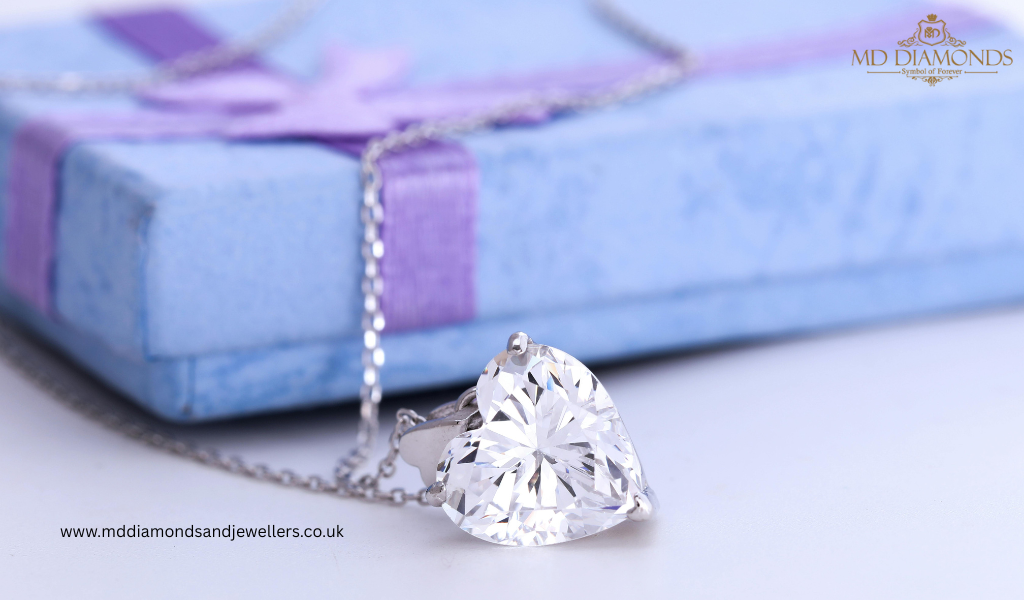
A solitaire necklace gift works because it avoids trend dependency. Rings can feel too personal. Bracelets depend on sizing. Earrings depend on taste. But a solitaire pendant necklace sits somewhere comfortably universal.
People buy them for:
• Anniversaries
• Birthdays
• Graduations
• Weddings
• Push presents
• Personal milestones
And because the design is so clean, age rarely matters. A solitaire pendant can suit someone in their twenties just as naturally as someone decades older.
That’s harder to achieve than jewellery brands make it look.
Also Read: How To Choose The Perfect Solitaire Pendant Necklace For Every Occasion?
Can I Wear a Solitaire Necklace Every Day?
Yes. Absolutely.In fact, most people do.
That’s part of the appeal. A solitaire necklace doesn’t demand occasion wear. It becomes part of routine. You put it on half awake in the morning and forget it’s there until light catches it unexpectedly later in the day.
Though a few habits help preserve it:
• Remove it before swimming
• Avoid direct perfume contact
• Store separately from harder jewellery
• Clean the chain and setting regularly
Over time, necklaces pick up tiny scratches and soft signs of wear anyway. But somehow that makes them feel more personal, not ruined.
Kind of like watches or leather bags. They age with you a bit.
Conclusion
Choosing the right carat weight for a solitaire pendant necklace isn’t really about finding the biggest diamond possible. It’s more about finding the size that feels natural once it’s actually around your neck.For some people, that’s a delicate 0.25 carat pendant they never take off. For others, it’s a bright 1 carat stone that catches attention across the room. Neither is more correct.
The best pieces usually become part of everyday life quietly. You stop thinking about them after a while, then suddenly notice them again in a mirror or shop window and remember exactly why you loved them in the first place.
Funny how jewellery does that.