
 By:
By: How to Spot Fake Diamonds on Your Ring
Diamonds are timeless symbols of love, elegance, and commitment. But with the market saturated with synthetic and imitation stones, how can you be sure that the diamond on your ring is genuine? Here are some practical tips and tricks to help you determine whether your diamond is real or fake.
1. Check for Flaws
Real diamonds are formed naturally under extreme pressure and heat, which often leads to internal flaws called inclusions. These imperfections are like fingerprints, making each diamond unique. Using a jeweler’s loupe or a magnifying glass, examine your stone closely. If it appears too perfect—completely free of inclusions or blemishes—it might be a fake or a lab-grown diamond.
2. The Fog Test
Hold the diamond close to your mouth and exhale on it, as if you’re fogging up a mirror. A real diamond dissipates heat quickly, so the fog will clear almost instantly. If the fog lingers for a few seconds, you might be looking at an imitation.
3. Inspect the Setting and Mounting
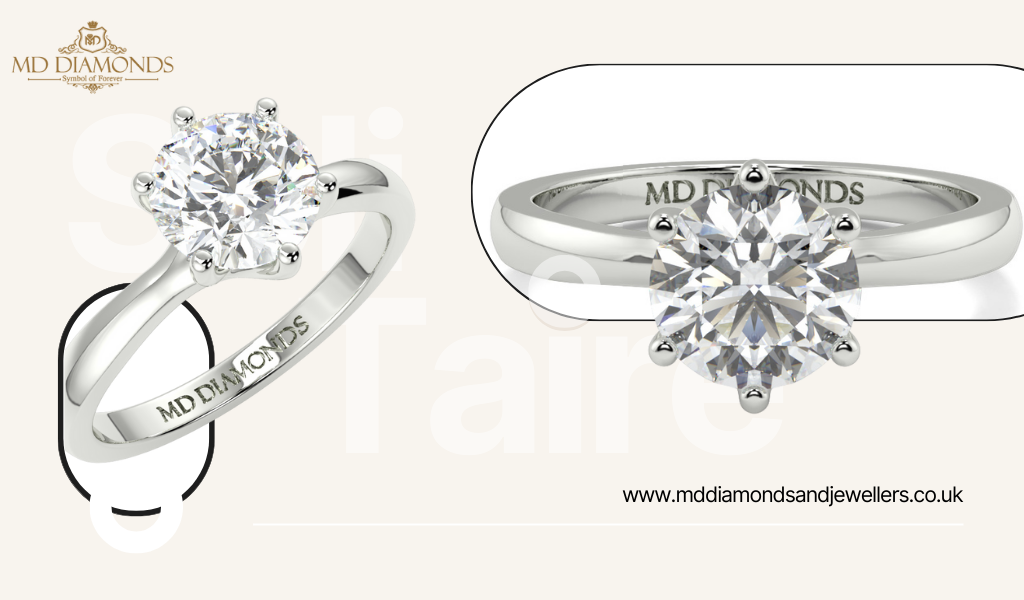
A genuine diamond is typically set in high-quality metals like gold, platinum, or white gold. Check the inside of the band for markings such as “10K”, “14K”, “18K”, “PT”, or “Plat”. If the setting is cheap or unmarked, there’s a chance the stone isn’t real.
4. Conduct the Water Test
Real diamonds have a high density. To perform the water test, fill a glass with water and gently drop your diamond into it. A genuine diamond will sink to the bottom, while a fake stone may float or suspend in the water.
5. Use a Diamond Tester
Diamond testers measure the thermal conductivity of the stone. Because diamonds disperse heat rapidly, this is a reliable way to confirm authenticity. You can purchase a tester online or visit a jeweler for professional testing.
6. Look for Reflections
Diamonds reflect light in unique ways. Hold the stone under direct light and observe its sparkle. Genuine diamonds produce a combination of white light (brilliance) and rainbow-like colors (fire). Simulants like cubic zirconia tend to reflect an abundance of rainbow colors, making them appear less subtle.
7. Examine Under UV Light
Many natural diamonds fluoresce under ultraviolet (UV) light, emitting a blue glow. However, this test isn’t definitive, as not all diamonds exhibit fluorescence. If your stone glows a different color or not at all, it could still be real but warrants further examination.
8. Seek Professional Appraisal
If you’re still unsure, consult a certified gemologist or jeweler. They have the expertise and tools to provide an accurate assessment of your diamond’s authenticity and quality.
9. Verify Certification
Authentic diamonds often come with certification from reputable organizations like the Gemological Institute of America (GIA) or the International Gemological Institute (IGI). These documents provide detailed information about the diamond’s cut, clarity, color, and carat weight.
Conclusion
Spotting a fake diamond can be tricky, but with a keen eye and the right tools, you can safeguard your investment. Whether you’re buying a new ring or verifying an heirloom, taking the time to authenticate your diamond will ensure its value and legacy endure for generations. If in doubt, always turn to a trusted jeweler or gemologist for guidance.