
 By: William Brown
Tennis chains are one of the most popular types of jewelry today, favored by celebrities, athletes, and fashion enthusiasts alike for their sleek, modern look and elegant shine. But with their growing popularity, there's also a rise in counterfeit versions flooding the market. Whether you're buying a tennis chain for the first time or adding to your collection, knowing how to distinguish a real tennis chain from a fake one is crucial. In this blog post, we'll walk you through some simple yet effective ways to spot a genuine tennis chain.
1. Check the Material and Weight
One of the easiest ways to identify a real tennis chain is by the weight. Real tennis chains are typically made of solid gold, sterling silver, or platinum, all of which are dense metals. A genuine gold or platinum chain will feel heavier than a fake one, which is often made from cheaper alloys, coated metals, or even plastic.
- Real tennis chains: Heavy and solid, with a dense, quality feel.
- Fake tennis chains: Lighter, often made from hollow or coated materials like brass, stainless steel, or plated metals.
If you're unsure about the weight, try comparing it to a similar-sized chain of known authenticity, or ask a jeweler to weigh it for you.
Round Double Halo Pendnet With Plain Bail

2. Look for a Stamp or Marking
Authentic tennis chains made from precious metals like gold or platinum will usually have a stamp or engraving on the clasp or chain itself. These stamps indicate the karat (for gold) or the purity (for silver or platinum) of the metal. Common stamps include:
- Gold: 10K, 14K, 18K, 22K, or 24K
- Silver: 925 (indicating sterling silver)
- Platinum: PT or Plat with a number (like 950 for 95% pure platinum)
If your chain doesn’t have any stamps or markings, it's likely a counterfeit or made from a lower-quality metal. It's worth noting that some high-end counterfeit chains may try to imitate these stamps, so always double-check with an expert if you're in doubt.
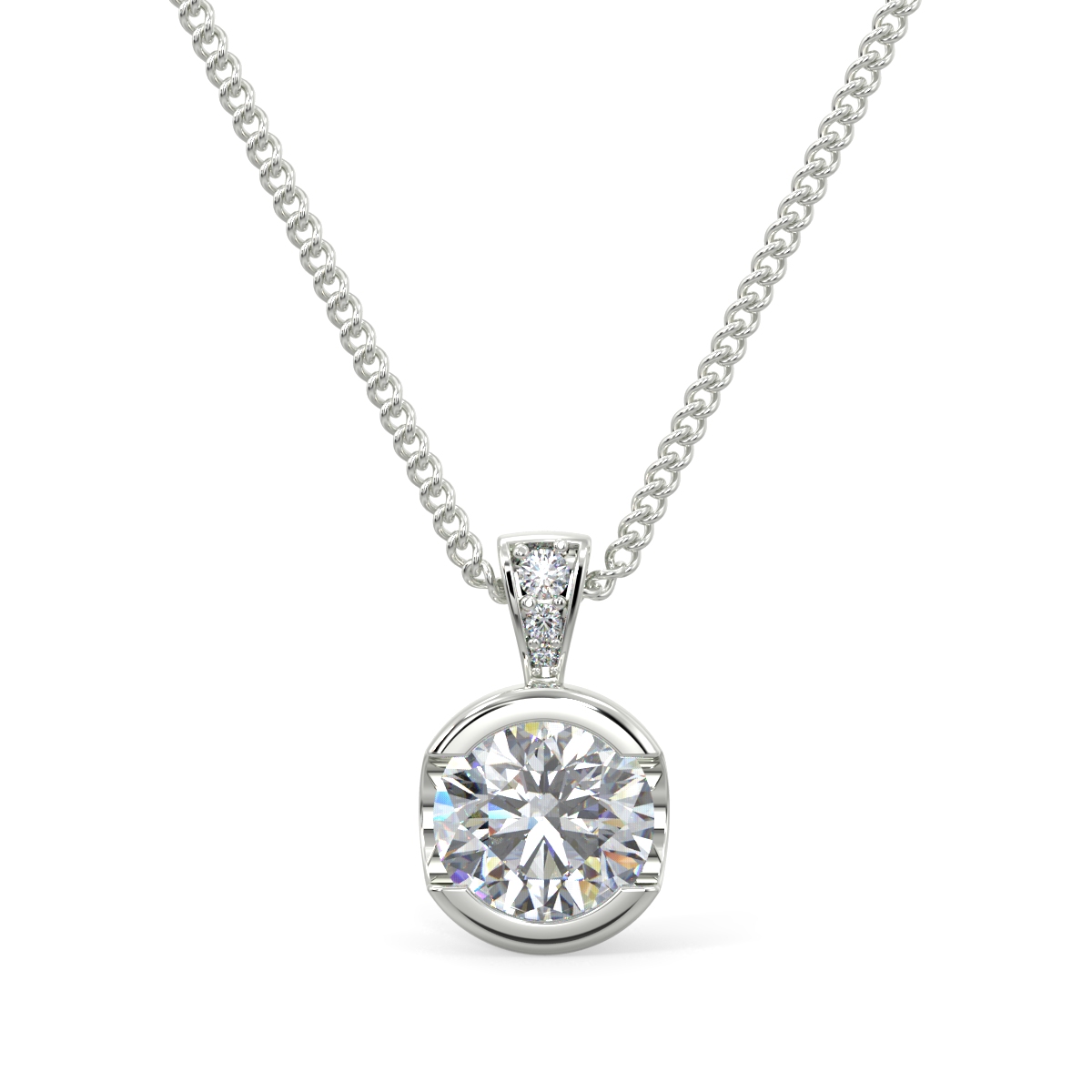
Round Half Rubover Pave Bail Pendent
3. Inspect the Clarity and Cut of the Stones
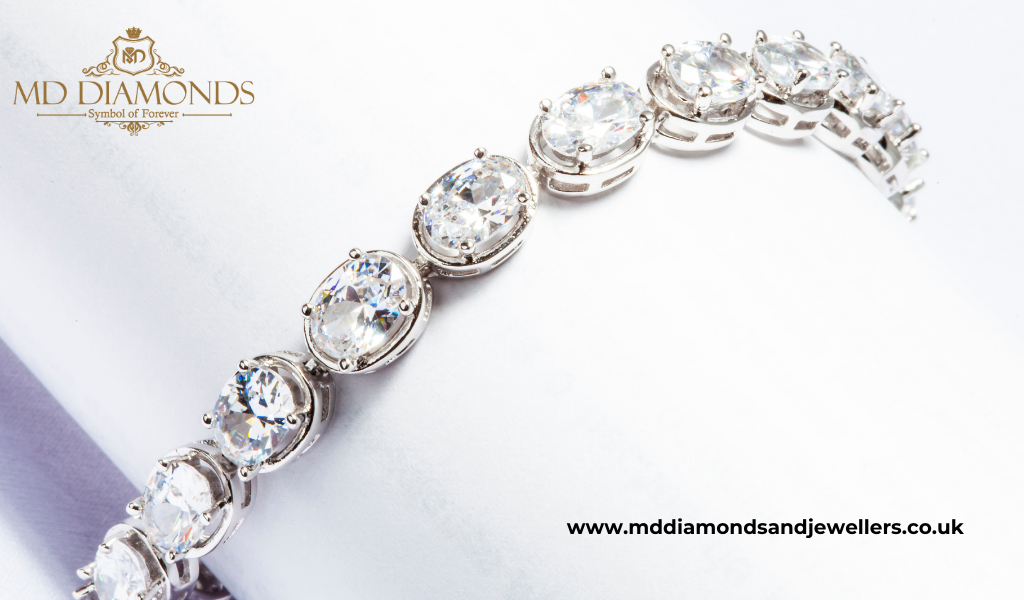
Tennis chains feature a row of diamonds (or simulated diamonds) set closely together. In genuine tennis chains, the diamonds are carefully selected for their clarity, cut, and brilliance. Fake diamonds, often cubic zirconia or glass, might look similar at first glance but are noticeably less radiant.
Here’s how to tell the difference:
- Real diamonds: Have a distinct sparkle that reflects light from every angle. When held up to light, real diamonds will have a bright, fiery brilliance.
- Fake diamonds: While they may shine, they often lack the complexity and deep sparkle of a real diamond. If you closely inspect them, you may notice imperfections, or they may appear cloudy or dull.
You can also use the “fog test” – breathe on the stone. A real diamond will clear up almost immediately, while a fake one (like cubic zirconia) will fog up and take longer to clear.
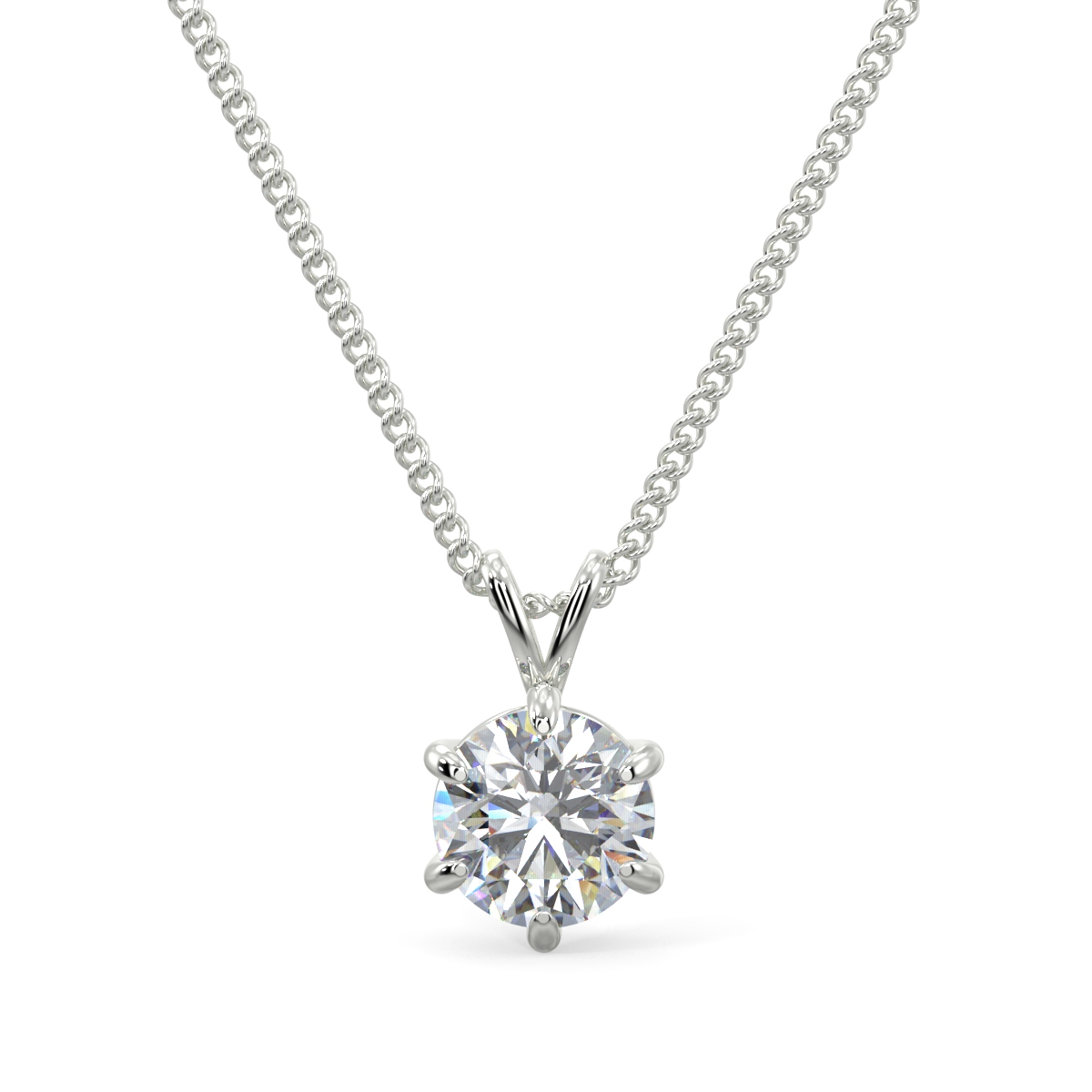
Round 6 Claw Split Bail Pendent
4. Examine the Setting and Design
A real tennis chain is meticulously crafted with each diamond or stone individually set in a high-quality metal setting. These settings should be secure, and the diamonds should be evenly placed without gaps or crookedness. Fake chains, on the other hand, might have stones that are unevenly spaced, poorly set, or glued into place.
- Real tennis chain: High-quality craftsmanship with solid prongs or bezels holding the stones securely in place.
- Fake tennis chain: Shoddy workmanship, uneven settings, stones that might fall out easily, or glue marks.
A genuine tennis chain should feel robust, with each stone securely set without any wiggle.
5. Check the Clasp Mechanism
A tennis chain’s clasp is an important feature that helps determine its authenticity. A genuine high-quality tennis chain will have a sturdy clasp that clicks securely into place. The clasp should also have a smooth mechanism and not be flimsy or easily breakable.
- Real tennis chain: Has a strong, secure clasp mechanism, often with a safety latch or hidden clasp for added security.
- Fake tennis chain: May have a weak, easily breakable clasp, or a cheap, poorly functioning latch that doesn't click securely.
Inspecting the clasp closely can give you a good idea of the overall craftsmanship of the chain.
6. Look at the Price
While not a surefire indicator, price can often reveal whether a tennis chain is real or fake. Genuine tennis chains made with high-quality metals and diamonds can be quite expensive, often costing thousands of dollars depending on the size, quality of the stones, and the metal used. If a chain is priced significantly lower than the typical market value for a solid gold or platinum tennis chain, it's a red flag that the chain may be a fake.
- Real tennis chain: Expensive, with prices ranging from several hundred to thousands of dollars.
- Fake tennis chain: Often priced too low to be true, especially if it features what appears to be real diamonds or precious metals.
While there are deals to be found, always make sure to verify the authenticity before purchasing a tennis chain at a price that's too good to pass up.
7. Get it Appraised
If you’re still unsure about the authenticity of your tennis chain, the best step is to have it appraised by a professional jeweler. An expert can identify the materials, verify the diamonds’ authenticity, and give you peace of mind. Many jewelers also offer certificates of authenticity for high-value pieces, which can provide added assurance.
Conclusion
A real tennis chain is a significant investment, and it’s important to know how to spot a fake before making a purchase. By examining the material, weight, craftsmanship, diamond clarity, and clasp mechanism, you can quickly differentiate between a genuine and counterfeit tennis chain. Remember, when in doubt, trust a professional jeweler to verify the authenticity. Whether you’re buying online or in-store, always take your time to ensure you’re getting the real deal!
4o mini